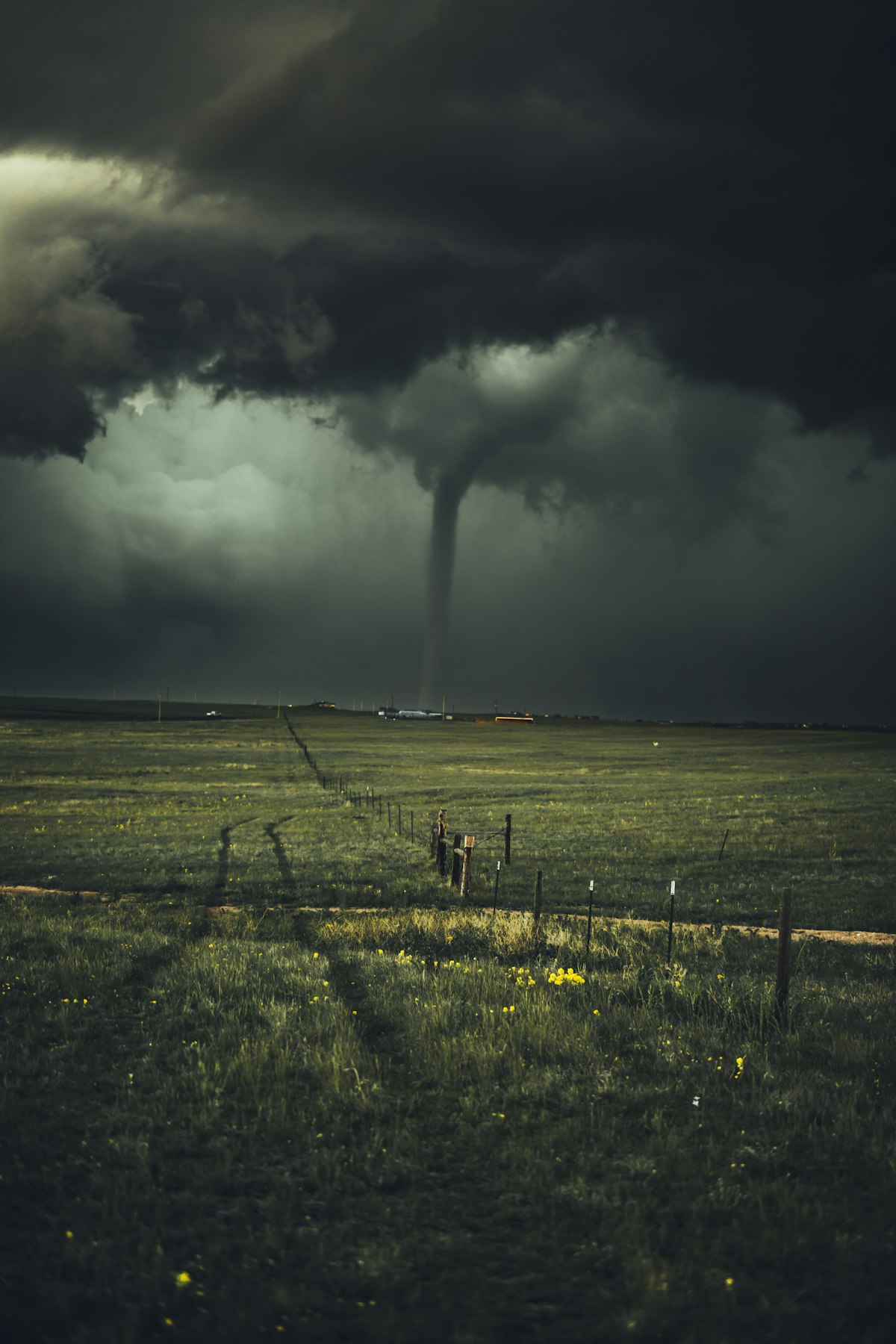
How to Hire a Storm Damage Professional — What to Look For
When a storm hits, your home’s integrity is at stake. But hiring the right storm damage contractor isn’t just about quick fixes — it’s about avoiding scams, shoddy work, and future headaches. You need someone who’s licensed (if required in your state), honest, and capable of doing the job right the first time.
Here’s the straightforward guide — what to look for, red flags to spot, the right questions to ask, and what fair pricing looks like in 2026.
What a Good Storm Damage Contractor Looks Like
Licensing and Certification
Storm damage work can involve roofing, siding, windows, and structural repairs. Many states require specific licenses for roofing contractors or general contractors if they do structural work.
- Ask for proof of licensing — a legit contractor will provide a license number you can verify online through your state’s licensing board.
- Special certifications matter**: Look for certifications from recognized organizations like GAF, CertainTeed, or the National Roofing Contractors Association (NRCA). These indicate ongoing training and standards adherence.
Insurance
Storm damage jobs are risky, and insurance protects you from liability:
- General liability insurance ($1M+ coverage) to cover property damage.
- Workers’ compensation if they have employees.
- Ask for a current certificate of insurance — verify it with the insurer if you want peace of mind.
Experience and Reputation
- Check references: Ask for at least three recent clients. Call or email them. Ask:
- Was the cleanup thorough?
- Would they hire the contractor again?
- Review online reviews on platforms like Google, BBB, or Angie's List. Look for consistent positive feedback and note any recurring complaints.
Written Contract and Clear Scope
- Get a detailed, written contract before work begins. It should specify:
- Materials to be used
- Project timeline
- Payment schedule
- Warranties
- Avoid contractors who refuse to sign a contract or offer vague estimates.
Red Flags Specific to Storm Damage Contractors
- Unsolicited contact after a storm: They show up unannounced or pressure you to sign immediately.
- High-pressure tactics: Urging you to sign contracts quickly or pay large deposits upfront.
- Lack of local references: They can’t provide recent local jobs or references.
- Unlicensed or uninsured: They hesitate or refuse to show proof.
- Overly low bids or “too good to be true” quotes: Often a sign they cut corners or plan to add hidden charges later.
Practical Questions to Ask
- Are you licensed and insured in this state?
- Do you have experience with storm damage repairs similar to mine?
- Will you handle all necessary permits and inspections?
- What is your estimated timeline for completing the work?
- What warranties or guarantees do you provide?
Fair Pricing Ranges in 2026
Storm damage repairs vary widely depending on severity, scope, and region. Below are typical ranges for common repairs in 2026:
| Job | Typical Range |
|---|---|
| Small roof patch (up to 10 sq. ft.) | $300 – $900 |
| Full roof replacement (per square) | $8,000 – $25,000 |
| Siding repair (per square foot) | $5 – $15 |
| Window replacement (per window) | $500 – $2,500 |
| Structural repairs (per beam or truss) | $1,000 – $5,000 |
| Debris removal (per load) | $200 – $600 |
> Note: Extreme storm damage or structural repairs can significantly increase costs. Always get multiple detailed estimates.
How to Protect Yourself
- Avoid high-pressure sales tactics. Take your time to choose.
- Never pay in full upfront. A typical deposit is 10-30%, with the rest due upon completion.
- Get everything in writing. Verbal promises are hard to enforce.
- Verify credentials and references. Don’t skip this step.
- Be wary of contractors who show up unsolicited or claim to be “storm chasers.” Many are unlicensed, uninsured, or out-of-town scammers.
Final Thoughts
Storm damage repairs are critical, potentially costly, and must be done right. Don’t settle for the first contractor who offers a quick fix. Use this guide to spot the pros, avoid scams, and ensure your home gets the repair it needs — safely and correctly.
For trusted, verified storm damage professionals in your area, visit GetFixn.com. Every contractor listed has been reviewed by homeowners like you, ensuring you get quality work done the right way.