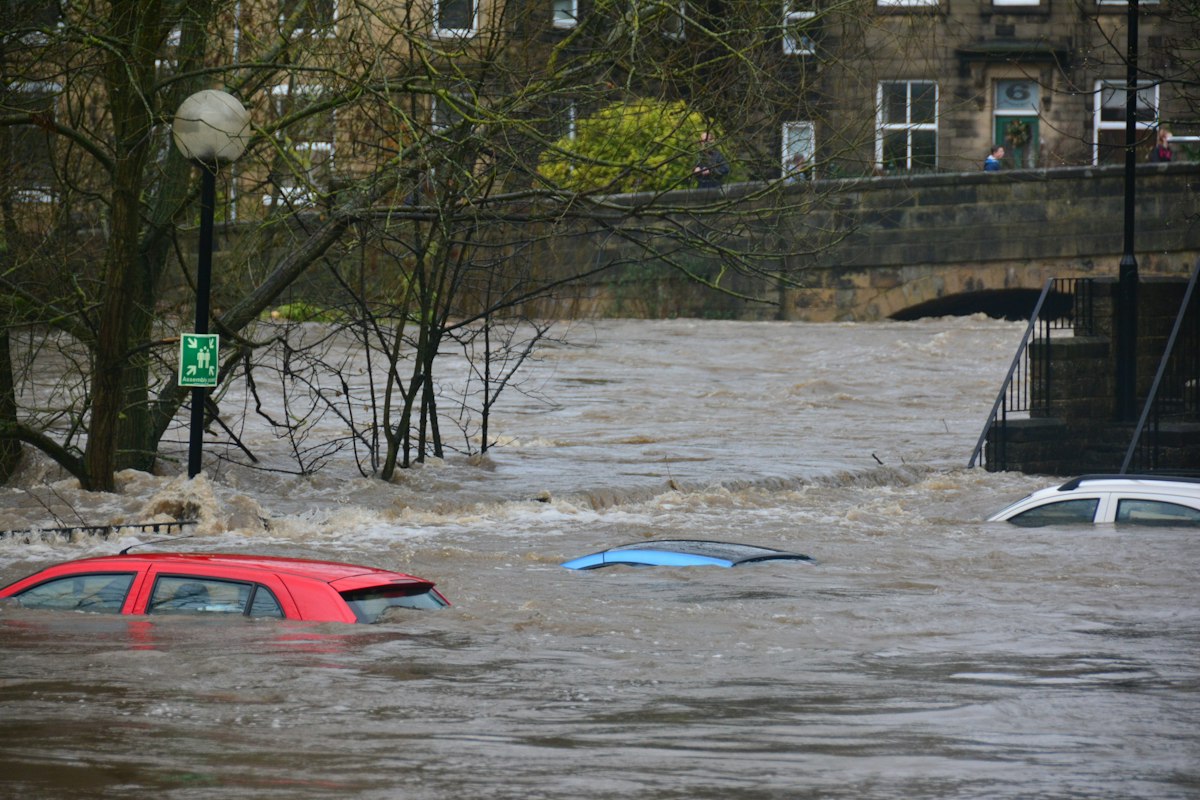
What to Do After Flooding Damage
Flooding can be catastrophic, overwhelming, and emotionally draining. In the chaos, homeowners often feel helpless or unsure where to begin. This guide provides clear, practical steps to protect yourself, assess damage, document everything for insurance, perform temporary repairs, and plan for long-term recovery. Acting swiftly and calmly is essential to minimize damage, ensure safety, and start your recovery on the right foot.
Immediate Safety Steps (First 24 Hours)
Floodwaters pose serious risks: electrical hazards, contaminated water, structural instability, and health threats. Follow these steps immediately after the floodwaters recede or you reach a safe point:
1. Ensure Personal Safety
- Avoid entering floodwaters. Floodwaters may contain sewage, chemicals, or debris.
- Turn off electricity and gas at the main breaker and main valve if accessible and safe to do so. Do not step into water to do this; call a professional if needed.
- Check for injuries. Administer first aid within your skill level and call emergency services if needed.
- Keep children, pets, and vulnerable individuals away from floodwaters.
2. Confirm Structural Safety
- Do not re-enter your home until authorities declare it safe. Flooded buildings may have compromised foundations, weakened walls, or unstable floors.
- Assess for potential hazards outside, like downed power lines or gas leaks (smell of gas, hissing sounds).
3. Protect Yourself From Contaminants
- Use personal protective equipment: waterproof boots, gloves, masks if possible.
- Avoid touching floodwaters directly and wash contaminated skin thoroughly.
4. Contact Emergency Services if Needed
- Report hazards like gas leaks, downed power lines, or trapped individuals.
5. Document Your Location and Condition
- Make a note of your safety status, injuries, and hazards to communicate with responders or insurance adjusters.
Damage Assessment
Once it’s safe, conduct a systematic assessment of your property:
1. Check for Water Levels and Extent
- Note which rooms are flooded and how deep the water is.
- Identify areas with structural damage, such as cracked walls, sagging floors, or foundation issues.
2. Inspect Utilities
- Electrical system: Look for signs of damage, such as sparks, burning smells, or water in outlets.
- Heating, ventilation, and air conditioning (HVAC): Check if affected by water.
- Appliances: Identify water-soaked or damaged appliances.
3. Evaluate Structural Damage
- Walls, floors, and ceilings: Look for cracks, warping, or collapse.
- Foundation: Check for visible cracks or shifts.
- Basements and crawl spaces: These are often most affected and prone to unseen damage.
4. Photograph and Document Damage
- Use your smartphone or camera to capture high-resolution photos and videos.
- Focus on damaged areas, water levels, and any structural issues.
- Record serial numbers of damaged appliances and valuables.
Documentation for Insurance Claims
Proper documentation simplifies your insurance process:
1. Create a Detailed Inventory
- List all damaged items, including furniture, electronics, appliances, and personal belongings.
- Note approximate values, purchase dates, and receipts if available.
2. Take Clear Photos and Videos
- Include wide shots of rooms and close-ups of specific damages.
- Document watermarks, mold, and damage to structures.
3. Collect Supporting Documents
- Homeownership records, recent photos of your property, and prior inspections.
- Receipts for recent repairs or upgrades.
- Obtain an official flood damage assessment report if available from local authorities.
4. Contact Your Insurance Company Promptly
- Report the claim as soon as possible.
- Provide all evidence and documentation to support your claim.
- Keep copies of all correspondence for your records.
Temporary Repairs (Within the First Few Days)
Temporary repairs can prevent further damage and protect your property:
1. Stop Additional Water Entry
- Use sandbags or plastic sheeting to divert water away from vulnerable areas.
- Seal broken windows or doors with plastic sheeting and waterproof tape.
2. Remove Standing Water
- Use pumps, wet/dry vacuums, or buckets to remove water from basements or lower levels.
- Ensure electrical devices are off before pumping.
3. Dry Out the Structure
- Increase ventilation with fans, dehumidifiers, and open windows if weather permits.
- Remove wet carpets, upholstery, and drywall that cannot be salvaged.
4. Protect Valuables
- Remove undamaged items from affected areas.
- Elevate furniture and belongings off the floor if possible.
5. Prevent Mold Growth
- Clean and disinfect surfaces with mold-inhibiting solutions.
- Use air purifiers and dehumidifiers to speed drying.
When to Call a Professional
Certain damages require expert attention:
- Structural repairs—cracked foundations, sagging floors, compromised walls.
- Electrical system repairs—faulty wiring, electrical fires risk.
- Gas leaks or plumbing repairs.
- Mold remediation—especially if mold persists after initial cleaning.
- Restoration and reconstruction—full drywall, flooring, or roofing replacements.
GetFixn.com can help you find qualified contractors for these tasks. Do not attempt complex repairs beyond your skill level.
Insurance Claim Tips
Maximize your chances of a smooth claim process:
- Report damage promptly—most insurers have deadlines.
- Be thorough and honest in your documentation.
- Keep detailed records of all communications.
- Avoid making permanent repairs before the adjuster inspects the damage, unless necessary to prevent further harm.
- Request a written estimate from licensed contractors before approving repairs.
- Understand your policy: Know what coverage applies to flood damage, debris removal, temporary housing, etc.
- Consider hiring a public adjuster if your claim is complex.
Long-Term Repairs and Recovery
Once immediate issues are addressed, focus on full recovery:
1. Structural Repairs
- Replace damaged drywall, flooring, and roofing.
- Ensure foundation and framing are sound.
2. Mold Remediation
- Engage licensed mold remediation specialists if mold persists.
- Address moisture sources to prevent future growth.
3. Utilities and Systems
- Have electrical, plumbing, and HVAC systems inspected and repaired by licensed professionals.
4. Landscaping and Drainage
- Regrade your yard to improve drainage.
- Install sump pumps or backflow preventers to reduce future flood risk.
5. Elevate and Flood-Proof
- Elevate electrical outlets and appliances.
- Consider installing flood barriers or sump pumps.
6. Review Insurance and Mitigation Strategies
- Update your coverage to reflect current property value.
- Invest in flood mitigation measures like retaining walls, flood vents, and sump pumps.
Common Mistakes to Avoid (What NOT to Do)
- Entering floodwaters—they are contaminated and dangerous.
- Delaying damage assessment—missing the window for insurance claims.
- Making permanent repairs before insurance adjuster inspection—which can reduce payout.
- Ignoring mold growth—which can cause health issues.
- Attempting complex repairs yourself without expertise—risking further damage or injury.
- Discarding damaged items prematurely—without documenting them for insurance.
- Failing to read or understand your insurance policy—leading to denied claims.
Final Thoughts
Flooding is devastating, but acting quickly and methodically can significantly reduce your losses and facilitate a smoother recovery. Prioritize safety, document everything, perform essential temporary repairs, and consult licensed professionals for long-term fixes. When in doubt, GetFixn.com can connect you with trusted contractors to handle repairs professionally.
Remember: stay calm, stay safe, and take deliberate action. You’re not alone in this — recovery is possible with the right steps.
For additional resources and contractor referrals, visit GetFixn.com.